|
||||||||||||||||||||||||||||||||||||||||||
|
Welcome to the ASBA Spotlight. In this issue, we feature two articles — one on the challenges and opportunities in industrial-scale biomanufacturing and one on structural variant detection across sequencing technologies, three news stories including the launch of Singapore's NCEB and PAM²L's Series A funding, three announcements, a recap of the 40th ASBA Online Seminar reported by Teoh Jian Peng, three upcoming events, and one postdoctoral position.
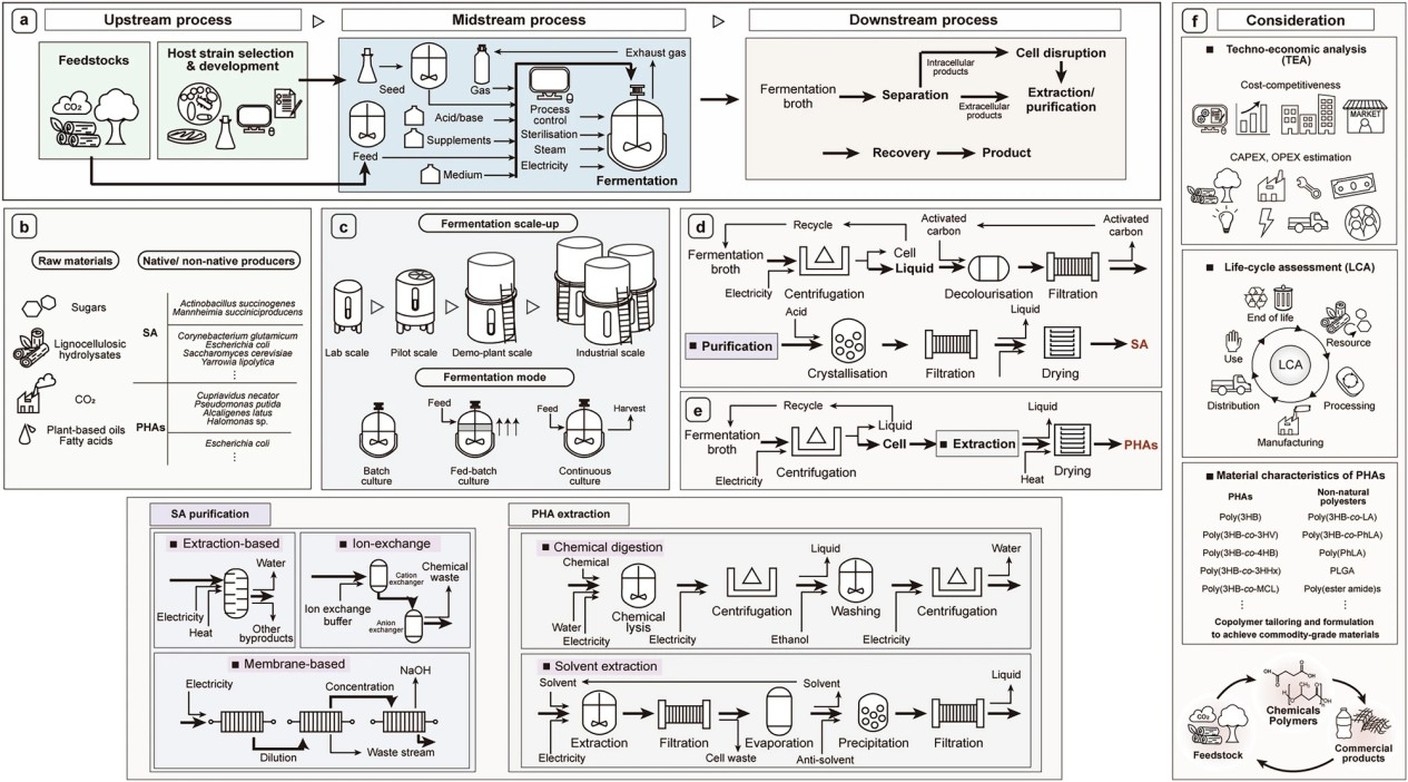
Beyond petrochemicals: challenges and opportunities in industrial-scale biomanufacturingResearchers led by ASBA member Dr. Sang Yup Lee published the article title “Beyond petrochemicals: challenges and opportunities in industrial-scale biomanufacturing” in Nature Communications. The article states that Biomanufacturing offers a sustainable alternative to petrochemical manufacturing by harnessing engineered microorganisms to convert renewable feedstocks into diverse value-added products. Systems metabolic engineering has driven its advancement, enabling rational design of microbial strains with enhanced performance and robustness. Despite these achievements, large-scale commercialisation remains limited, highlighting the persistent gap between laboratory success and industrial deployment. Researchers examine the challenges and opportunities in advancing biomanufacturing towards industrial implementation through two cases, succinic acid and polyhydroxyalkanoates, that exemplify products nearing, yet not fully reaching, commercial maturity. Finally, researchers discuss how integrating artificial intelligence with systems metabolic engineering can accelerate sustainable biomanufacturing.
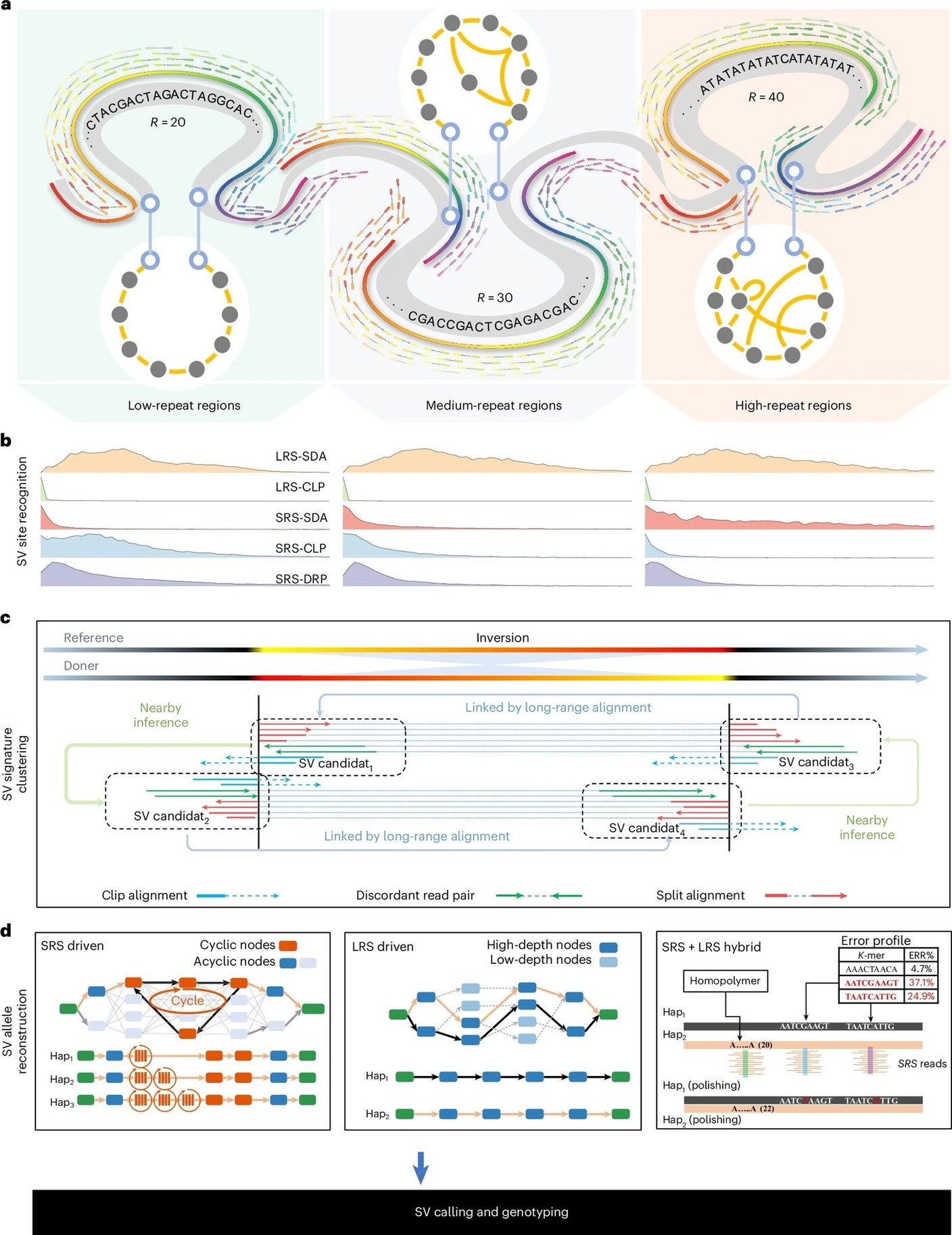
Fig. Integrated process framework for the bio-based production of SA and PHAs Published in Nature Communications (2026) Doi: 10.1038/s41467-026-73835-1 Structural variant detection across sequencing technologiesASBA member Dr. Long Qian, together with other researchers, published the article titled “Structural variant detection across sequencing technologies” in Nature Biotechnology. The article states that they introduce HitSV, which implements repetitiveness-and signature-density-aware breakpoint recognition coupled with precise haplotype-resolved local assembly, enabling base-resolution SV reconstruction and genotyping in various sequencing technologies. On the HG002 benchmark, HitSV achieved 15–72% (long read), 10–36% (short read) and 12% (hybrid sequencing) higher genotype F1 scores than state-of-the-art SV callers. Applied to the 1KGP phase 4 cohort, HitSV expanded the SV callset by 31.5%. In a large Chinese long-read cohort, HitSV uncovered tandem-repeat-mobile-element composite arrays as a prevalent, multi-allelic class of complex SVs.
Fig. Schematic illustration of HitSV. Published in Nature Biotechnology (2026) Doi: 10.1038/s41587-026-03332-9
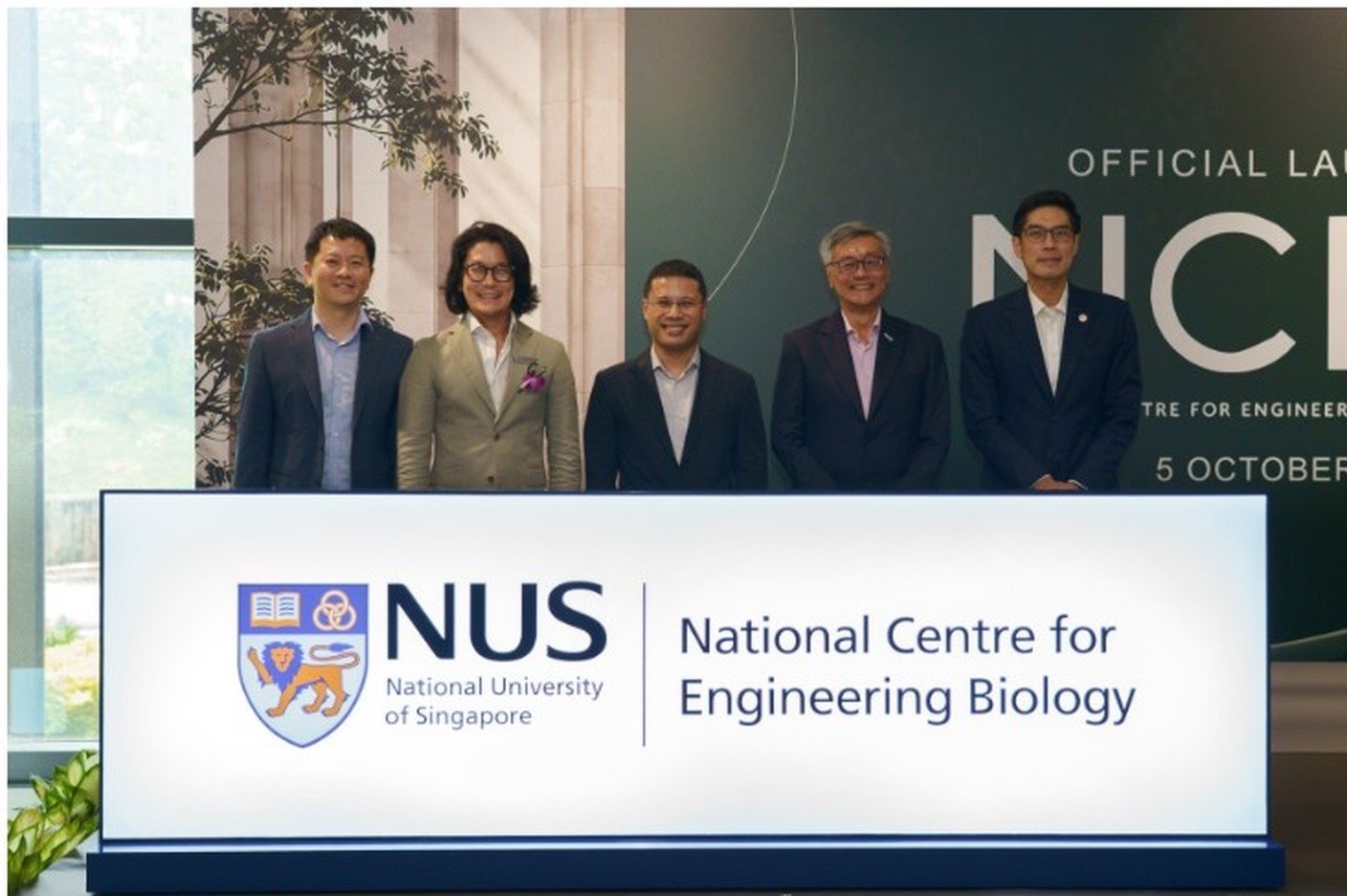
NUS Launches S$50M National Centre for Engineering Biology to Accelerate AI-Guided Sustainable BiomanufacturingThe National Centre for Engineering Biology (NCEB), hosted at NUS, was officially launched together with its new research facility. Mr Desmond Lee, Singapore’s Minister for Education and Minister-in-Charge of Social Services Integration, graced the occasion as Guest of Honour. The national-level centre will build foundational knowledge and technologies in engineering biology for the sustainable biomanufacturing of specialty chemicals.
Connecting Innovation Ecosystems for a Global BioeconomyAt Singapore Engineering Biology Week, Dr. Chenli Liu participated in the panel discussion“Connecti- Innovative Biomaterials Company PAM²L Completes over RMB 200 Million in Series A FundingRecently, PAM²L, founded by ASBA member Dr. Chao Zhong of the Shenzhen Institute of Advanced Technology (SIAT), Chinese Academy of Sciences, announced the completion of over RMB 200 million in Series A funding.
Malaysia Microbiome Meeting 2026 & Sunway Microbiome Centre Soft LaunchOctober 3–4, 2026 MMM 2026 is Southeast Asia's first education-focused microbiome symposium, bridging clinical science, academic excellence, and real-world impact. Synthetic Microbiology Beyond ContainmentOctober 25–29, 2026 The workshop aimed at revisiting the release into the environment of synthetic microbes developed or trained in the laboratory across different biotechnological domains — reviewing the current state of affairs from a scientific perspective while providing new conceptual and technical tools to decision makers at the local and international levels. ASBA Awards NominationDue December 15, 2026 The ASBA Awards recognize outstanding achievements and contributions across the synthetic biology community. 3 open categories open for nomination: • Early-Career Pioneer Award (Young PIs) These categories are open for self- or recommended- nomination.
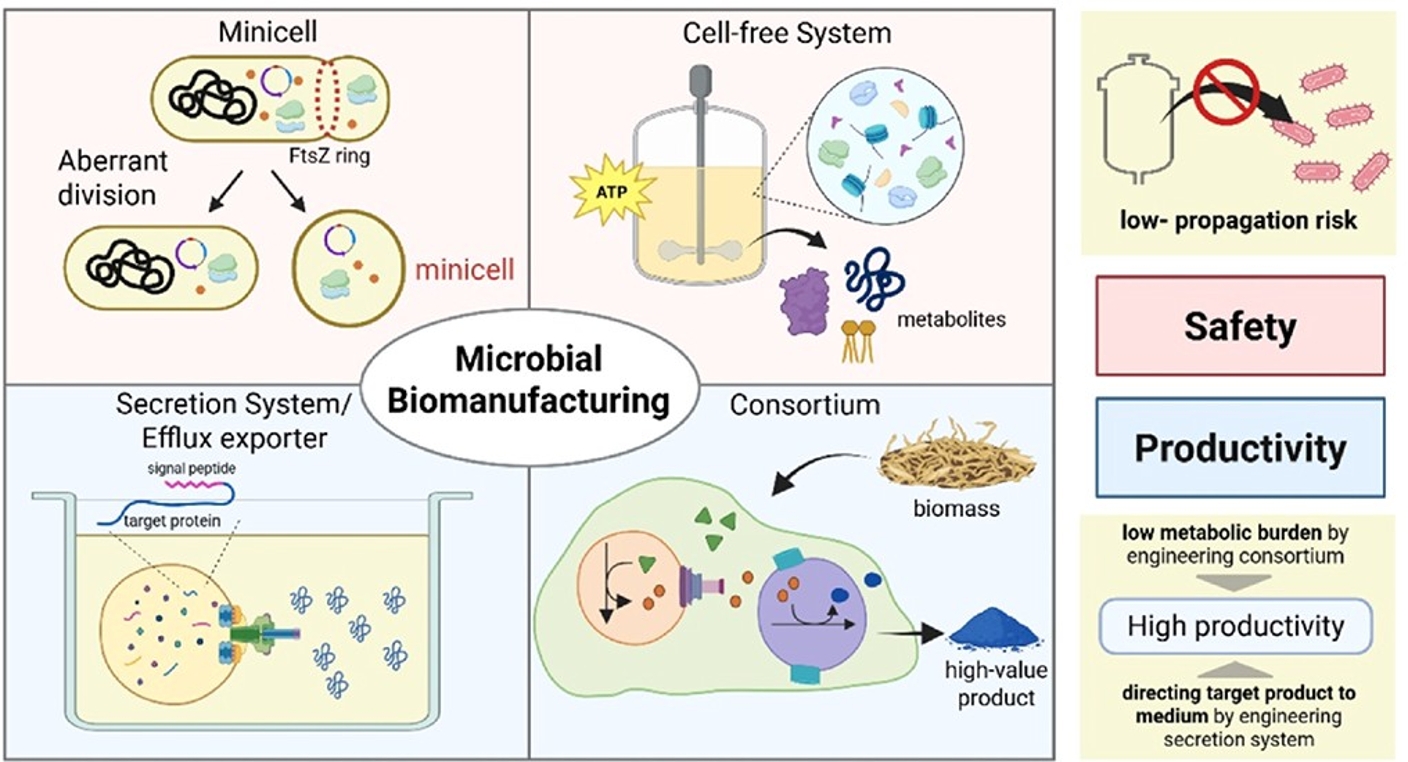
COMMENTARY REPORTED BY TEOH JIAN PENG Engineering Resource Allocation for Predictable and Efficient Bacterial ProgrammingThe 40th ASBA Online Seminar featured Dr. Juhyun Kim of Kyungpook National University, who presented an investigation of how bacterial cells distribute limited molecular resources and how this allocation can be engineered to improve the predictability and efficiency of synthetic biological systems. The central premise was that cellular resources are finite: when multiple engineered modules are expressed simultaneously, competition for shared resources like ribosomes and metabolic energy can generate unexpected coupling. Consequently, genetic circuits that behave predictably in one physiological context may perform differently when growth conditions or host strains change. To address this, Dr. Kim discussed the construction of an orthogonal translation system. By modifying ribosomal RNA, an orthogonal ribosome can preferentially translate a designated set of transcripts. Using fluorescent protein reporters and violacein production, the presentation demonstrated that this separation can reduce competition and decouple module outputs, connecting translational insulation with practical metabolic engineering. The presentation also addressed the transferability of orthogonal translation across bacterial hosts, highlighting Pseudomonas putida. Additionally, Dr. Kim explored the spatial organization of cellular resources and introduced bacteria-derived minicells as a potential engineering platform for spatially separating cellular components and biochemical activities. Overall, the seminar demonstrated that predictable genetic programming requires a deeper understanding of the cell as an integrated physical and metabolic system.
At the Grand Jamboree, Dr. Matthew Chang will share how governance can keep pace with advances in AI-driven biological design while supporting innovation and addressing emerging risks.
The symposium features a morning of talks on how fermentation science is being engineered, understood and applied — from precision biomanufacturing to gut health.
Organizer: Chinese Society of Biotechnology (CSBT); SIAT, CAS
This role focuses on synthetic biology-driven viral vaccine strategies, as well as human organs and organ-on-a-chip technologies for infection, immunology, and vaccine research, with responsibilities including collaborative projects, publications, grant and patent applications, and team management. The position offers a competitive salary, comprehensive housing support, an excellent research environment, and expert guidance on grant applications.
|